Understanding the Green Environment Infographic Process
What is the Green Environment Infographic Process?
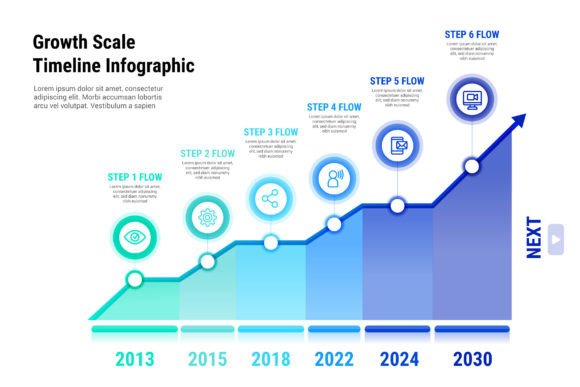
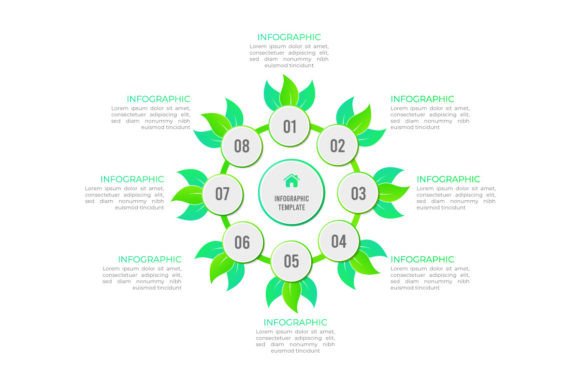
The Green Environment Infraphic Process is a method for creating visually appealing and informative infographics that focus on environmental sustainability. This process involves using design tools, such as Adobe Illustrator, to craft infographics that effectively communicate green initiatives, environmental data, and sustainable practices. These infographics are not only aesthetically pleasing but also serve as powerful tools for raising awareness and promoting eco-friendly behaviors.
Why Consider the Green Environment Infographic Process?
There are several compelling reasons why individuals and organizations might be interested in the Green Environment Infographic Process:
- Educational Value: Infographics can simplify complex environmental data, making it easier for the general public to understand and engage with the information.
- Visual Impact: A well-designed infographic can capture attention and convey messages more effectively than text alone, which is particularly useful for social media and online platforms.
- Advocacy and Awareness: For environmental organizations and advocates, these infographics can be a valuable tool for promoting their cause and encouraging action.
Benefits of the Green Environment Infographic Process
Using the Green Environment Infographic Process offers several key benefits:
- Clarity and Simplicity: Complex environmental issues can be broken down into easily digestible visuals, making it simpler for viewers to grasp the information.
- Engagement: Visuals tend to be more engaging and memorable, which can help in retaining the audience's interest and fostering a deeper understanding of the topic.
- Shareability: Well-designed infographics are highly shareable, which can increase the reach and impact of the message.
Considerations and Tradeoffs
While the Green Environment Infographic Process has many advantages, there are also some considerations and tradeoffs to keep in mind:
- Design Skills: Creating effective infographics requires a certain level of design skill. While basic knowledge of tools like Adobe Illustrator is sufficient, more advanced designs may require additional expertise.
- Time and Resources: Producing high-quality infographics can be time-consuming and may require investment in design software and resources.
- Accuracy and Credibility: It is crucial to ensure that the data and information presented in the infographics are accurate and credible. Misinformation can undermine the effectiveness of the message and the credibility of the organization.
Situations Where the Green Environment Infographic Process May Be a Strong Fit
The Green Environment Infographic Process is particularly well-suited for the following situations:
- Educational Campaigns: Schools, universities, and educational institutions can use these infographics to teach students about environmental issues and sustainability.
- Corporate Social Responsibility (CSR) Initiatives: Companies looking to highlight their commitment to sustainability can use infographics to showcase their green initiatives and progress.
- Non-Profit Organizations: Environmental non-profits can leverage infographics to raise awareness, advocate for policy changes, and mobilize support for their causes.
Situations Where Alternatives May Be Worth Considering
While the Green Environment Infographic Process is highly effective, there are situations where alternative methods might be more appropriate:
- Detailed Reports: For in-depth analysis and detailed reporting, traditional reports and white papers may be more suitable, as they can provide a comprehensive overview of the subject matter.
- Interactive Content: For a more interactive and immersive experience, digital platforms and interactive web content can offer dynamic and engaging ways to present environmental data.
- Short-Form Content: In cases where quick, concise information is needed, short articles, blog posts, or social media updates might be more efficient and effective.
Practical Decision-Making Insights
When deciding whether the Green Environment Infographic Process aligns with your goals or needs, consider the following:
- Target Audience: Understand who your audience is and what type of content they are most likely to engage with. If your audience responds well to visual content, infographics can be a great choice.
- Message Complexity: Determine if the information you want to convey can be effectively simplified and visualized. If the message is too complex, a different format might be more appropriate.
- Resources and Expertise: Assess your team's design skills and the resources available. If you have the necessary tools and expertise, the Green Environment Infographic Process can be a powerful tool.
By carefully considering these factors, you can make an informed decision about whether the Green Environment Infographic Process is the right choice for your needs. Whether you are an educator, a corporate leader, or an environmental advocate, the right approach can help you effectively communicate and promote your green initiatives.