Understanding and Utilizing Business Infographic Design Flowcharts
What is a Business Infographic Design Flowchart?
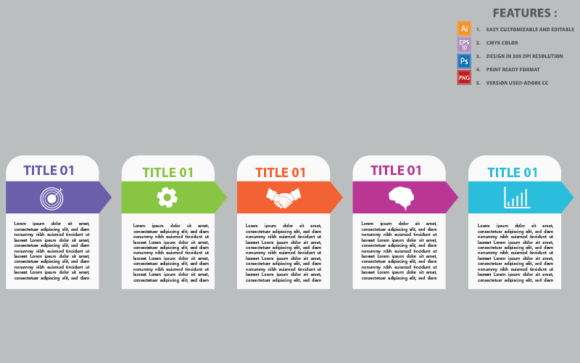
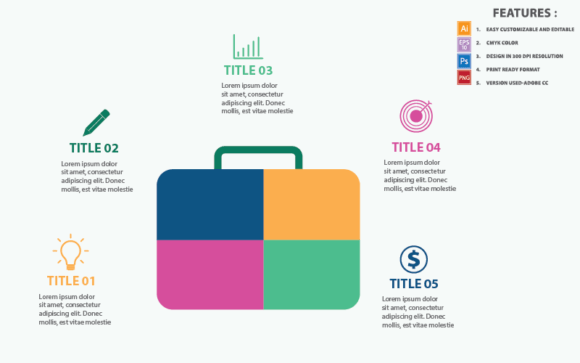
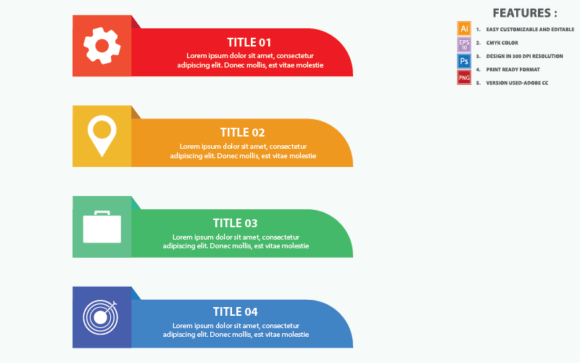
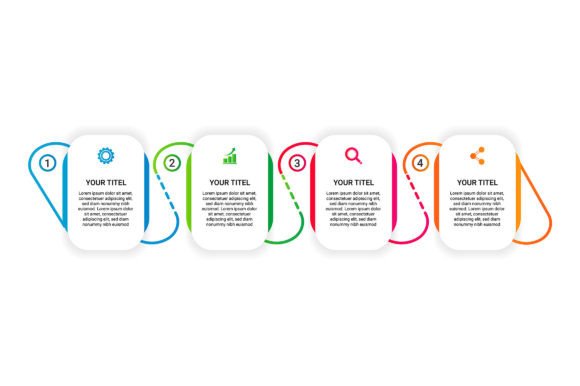
A Business Infographic Design Flowchart is a visual representation that outlines the steps and processes involved in creating an effective business infographic. This flowchart typically includes key elements such as data collection, design, and content creation, making it a valuable tool for both designers and non-designers alike.
Why Consider a Business Infographic Design Flowchart?
There are several compelling reasons why someone might be interested in using a Business Infographic Design Flowchart:
- Simplification of Complex Processes: It breaks down the intricate steps of infographic creation into manageable, sequential tasks.
- Enhanced Clarity and Focus: The flowchart helps maintain a clear and focused approach, ensuring that all necessary components are included.
- Improved Collaboration: For teams, it serves as a common reference, facilitating better communication and collaboration among members.
Benefits and Tradeoffs
The primary benefits of using a Business Infographic Design Flowchart include:
- Consistency: It ensures that every infographic follows a standardized process, leading to consistent quality.
- Time Efficiency: By providing a clear roadmap, it can significantly reduce the time spent on planning and execution.
- Quality Assurance: Each step in the flowchart is designed to ensure that the final product meets high standards of accuracy and presentation.
However, there are also some tradeoffs to consider:
- Rigidity: The structured nature of the flowchart may limit creative flexibility, which could be a drawback for more experienced designers.
- Initial Learning Curve: For those new to the process, understanding and effectively using the flowchart may require some initial investment of time and effort.
Considerations and Expectations
When deciding whether to use a Business Infographic Design Flowchart, consider the following:
- Project Complexity: For complex projects with multiple stakeholders, a flowchart can be particularly beneficial in maintaining order and clarity.
- Team Experience: If your team is less experienced with infographic design, the flowchart can serve as a valuable guide and training tool.
- Resource Availability: Ensure that you have the necessary resources, including software like EPS Illustrator CC, to fully utilize the flowchart.
Expectations should be set around the level of detail and guidance provided by the flowchart. While it offers a robust framework, the actual creative and technical work will still need to be executed by the team.
When It's a Strong Fit
A Business Infographic Design Flowchart is particularly well-suited for the following situations:
- Large-Scale Projects: When dealing with large, multifaceted projects, the flowchart can help manage and organize the various components effectively.
- Collaborative Efforts: In environments where multiple team members are involved, the flowchart provides a shared structure and reduces the risk of miscommunication.
- Training and Onboarding: For teams with new or less experienced members, the flowchart can be an excellent tool for training and onboarding.
When to Consider Alternatives
While a Business Infographic Design Flowchart is highly useful, there are situations where alternatives might be more appropriate:
- Highly Creative Projects: For projects that require a high degree of creativity and innovation, a more flexible, less structured approach may be preferable.
- Small, Simple Infographics: For smaller, simpler infographics, the overhead of following a detailed flowchart might not be justified.
- Experienced Design Teams: Teams with extensive experience in infographic design may find that a flowchart adds unnecessary constraints and prefer to work with their established processes.
Making the Decision
To determine whether a Business Infographic Design Flowchart aligns with your goals and needs, consider the following practical insights:
- Assess Your Team's Experience: Evaluate the skill level and experience of your team. A flowchart can be especially helpful for less experienced teams.
- Evaluate Project Requirements: Consider the complexity and scale of your project. Larger, more complex projects often benefit more from the structured approach of a flowchart.
- Consider Time and Resource Constraints: If time and resources are limited, a flowchart can help streamline the process and ensure that all critical steps are covered.
By carefully considering these factors, you can make an informed decision about whether a Business Infographic Design Flowchart is the right tool for your project. Whether you choose to use it or explore alternatives, the goal is to create high-quality, effective infographics that meet your specific needs and objectives.