Unlocking Creativity with Modern Infographic Rectangle Designs
In today's fast-paced digital world, visual communication has become more important than ever. Modern Infographic Rectangle designs are at the forefront of this trend, offering a versatile and engaging way to present information. These designs, characterized by their clean lines, vibrant colors, and structured layouts, are not just visually appealing but also highly functional.
The Versatility of Modern Infographic Rectangles
One of the key features of the Modern Infographic Rectangle is its versatility. Whether you're in marketing, education, or business, these infographics can be tailored to fit various needs. They are perfect for breaking down complex data into digestible chunks, making them ideal for presentations, reports, and social media posts.
For instance, a marketing team might use a Modern Infographic Rectangle to showcase the steps in a customer journey, while an educator could use it to explain a scientific process. The adaptability of these designs makes them a valuable tool in any professional's toolkit.
Colorful Lines and Vibrant Palettes
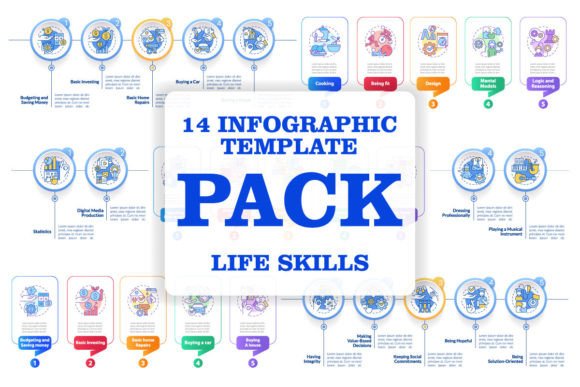
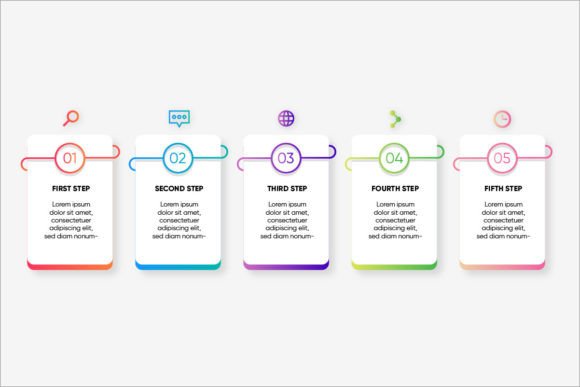
One of the standout features of Modern Infographic Rectangle designs is the use of colorful lines. These lines, often in bold and vivid hues, help to guide the viewer's eye through the infographic, creating a clear and logical flow. The color palette typically includes options like orange, blue, purple, green, and pink, each bringing its own energy and appeal.
These colors are not just aesthetically pleasing; they also serve a functional purpose. For example, different colors can be used to differentiate between various categories or steps, making the information more accessible and easier to understand. This is particularly useful in educational settings where clarity is paramount.
Creating a 5-Step Process with Modern Infographic Rectangles
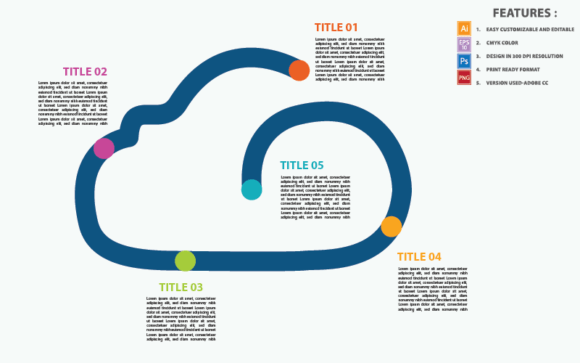
One of the most common uses of Modern Infographic Rectangle designs is to illustrate a 5-step process. This format is ideal for breaking down a sequence of actions or stages, making it a popular choice for tutorials, how-to guides, and project management.
- Define the Goal: Start by clearly stating what the end goal of the process is. This sets the stage and gives the viewer a clear understanding of what to expect.
- Identify the Steps: Break down the process into five distinct steps. Each step should be concise and easy to follow, with a clear action or outcome.
- Use Visual Cues: Incorporate icons, images, or symbols to represent each step. This not only adds visual interest but also helps to reinforce the message.
- Add Descriptive Text: Include brief, descriptive text for each step. This text should be clear and to the point, providing enough detail to guide the viewer without overwhelming them.
- Review and Finalize: Once all the steps are laid out, review the infographic to ensure it flows logically and is free of errors. Make any necessary adjustments to improve clarity and impact.
Practical Benefits and Considerations
Using a Modern Infographic Rectangle to present information offers several practical benefits. Firstly, it enhances comprehension by presenting data in a visually organized manner. This is especially useful for audiences who may have difficulty processing large amounts of text.
Additionally, these infographics are highly shareable. Their clean, modern design makes them attractive for sharing on social media platforms, increasing the reach and engagement of your content. This is particularly beneficial for businesses looking to boost their online presence and drive traffic to their websites.
When choosing a Modern Infographic Rectangle, consider the following factors:
- Audience: Tailor the design and content to the preferences and needs of your target audience. What colors and styles will resonate with them?
- Purpose: Define the primary purpose of the infographic. Is it to educate, inform, or persuade? This will guide the design and content choices.
- Brand Consistency: Ensure that the colors, fonts, and overall style align with your brand identity. This consistency helps to build brand recognition and trust.
Editable Vector Design: Flexibility and Customization
One of the most significant advantages of Modern Infographic Rectangle designs is their editable vector format. Vector graphics are resolution-independent, meaning they can be scaled up or down without losing quality. This makes them ideal for use across various platforms and devices, from print to digital.
Moreover, the editable nature of these designs allows for extensive customization. You can easily change colors, add or remove elements, and adjust the layout to better suit your specific needs. This flexibility is particularly valuable for projects that require frequent updates or need to be adapted for different audiences.
For example, a company might use a Modern Infographic Rectangle to create a series of training materials. With an editable vector design, they can quickly update the content as new information becomes available, ensuring that the materials remain relevant and up-to-date.
Shadow Effects for Depth and Dimension
Another notable feature of Modern Infographic Rectangle designs is the use of shadow effects. These subtle shadows add depth and dimension to the infographic, making it appear more dynamic and visually appealing. The shadow effect is particularly effective in highlighting key elements and creating a sense of hierarchy within the design.
When using shadow effects, it's important to strike a balance. Too much shadow can make the design look cluttered and overdone, while too little may not provide the desired impact. A good rule of thumb is to use shadows sparingly and strategically, focusing on the most important elements of the infographic.
Integrating Modern Infographic Rectangles into Your Workflow
Integrating Modern Infographic Rectangle designs into your workflow can be a game-changer. These infographics can be used in a variety of ways, from internal communications to external marketing campaigns. Here are some practical tips for incorporating them into your projects:
- Brainstorm and Plan: Before starting, brainstorm the key points and data you want to include. This will help you create a more focused and effective infographic.
- Choose the Right Tools: Use graphic design software like Adobe Illustrator or Canva, which offer a wide range of templates and tools for creating and customizing infographics.
- Collaborate and Get Feedback: Share your draft with colleagues or clients to get feedback. This can help you refine the design and ensure it meets the intended goals.
- Test and Iterate: Test the infographic in different contexts, such as on different devices and platforms. Make any necessary adjustments to improve its effectiveness and accessibility.
By following these steps, you can create high-quality Modern Infographic Rectangle designs that effectively communicate your message and engage your audience.
In conclusion, Modern Infographic Rectangle designs are a powerful tool for visual communication. Their versatility, vibrant colors, and editable vector format make them an excellent choice for a wide range of applications. Whether you're looking to enhance your marketing efforts, improve educational materials, or streamline business processes, these infographics can help you achieve your goals with style and impact.