Heritage Conservation Infographic Set: A Comprehensive Guide to Effective Visual Communication
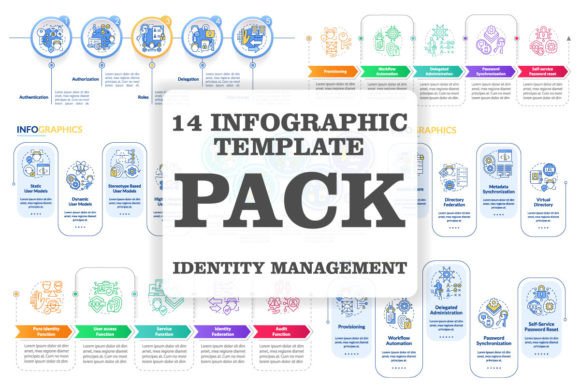
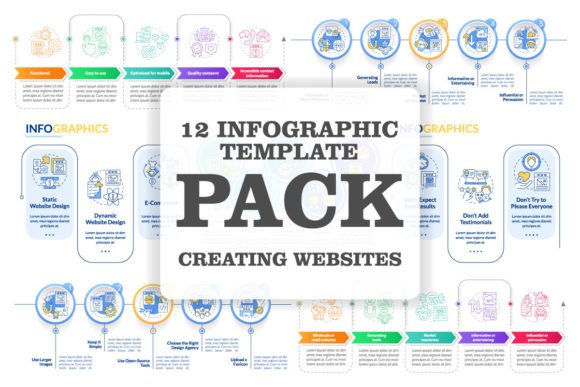
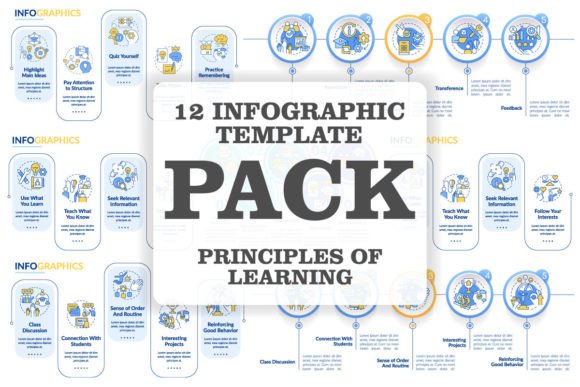
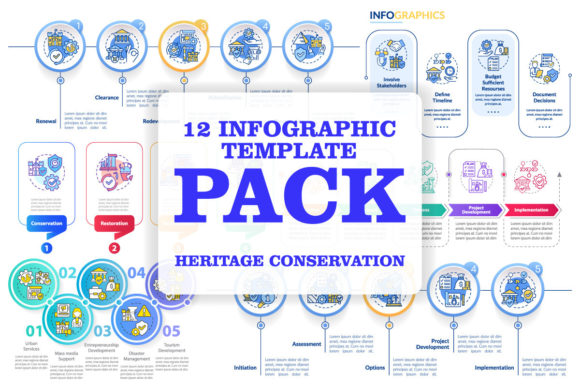
Heritage Conservation Infographic Set is a versatile and visually appealing collection designed for anyone looking to effectively communicate the importance and process of heritage conservation. Whether you are a professional, educator, or hobbyist, this set offers a range of templates that can help you present information in a clear and engaging way.
Why Choose the Heritage Conservation Infographic Set?
The Heritage Conservation Infographic Set is not just a collection of templates; it's a toolkit that enhances your ability to convey complex information through simple, yet impactful, visuals. The set includes various product file formats such as EPS, SVG, PNG, JPEG, and AI, making it easy to integrate into different projects and platforms.
Avoiding Common Mistakes in Using Heritage Conservation Infographic Set
While the Heritage Conservation Infographic Set is a powerful resource, there are common pitfalls that can affect the effectiveness of your visual communication. Here are some key mistakes to avoid:
- Ignoring the Audience: One of the most frequent errors is not tailoring the infographic to the specific audience. For instance, an infographic aimed at professionals might need more detailed data, while one for the general public should be more visually driven and less technical.
- Overloading with Information: It's easy to get carried away and include too much information, which can overwhelm the viewer. Focus on the key points and use concise, clear language.
- Poor Design Choices: Using inappropriate fonts, colors, or layout can detract from the message. Stick to the recommended fonts like Lato-Bold and Myriad Pro-Bold, Regular, and ensure the design aligns with the overall theme of heritage conservation.
Practical Advice for Effective Use
To make the most of the Heritage Conservation Infographic Set, consider the following tips:
- Define Your Goal: Before starting, clearly define what you want to achieve with the infographic. Is it to educate, inform, or persuade? This will guide your design and content choices.
- Keep It Simple: Simplicity is key. Use a clean, uncluttered layout and focus on the essential elements. Visuals should support the text, not compete with it.
- Test and Revise: Show your infographic to a few people in your target audience and gather feedback. Use this input to refine and improve the final product.
Realistic Examples and Better Approaches
For example, if you are creating an infographic for a school project, you might initially include every detail about a historical site. Instead, focus on the most significant aspects, such as the site's history, its current state, and why it's important to preserve it. Use icons and a process timeline to illustrate the steps involved in conservation, making the information more digestible and engaging.
What to Check Before Making a Decision
Before using the Heritage Conservation Infographic Set, take a moment to review the following:
- Compatibility: Ensure the file formats (EPS, SVG, PNG, JPEG, AI) are compatible with the software you are using.
- Customization Options: Check if the templates allow for the level of customization you need. Can you easily change colors, fonts, and add or remove elements?
- Support and Updates: Look for any additional support or updates provided by the creators. Subscribing to BSD Studio can keep you updated on new topics and discounts.
By avoiding these common mistakes and following the practical advice, you can create effective and impactful infographics that resonate with your audience. The Heritage Conservation Infographic Set is a valuable tool that, when used thoughtfully, can enhance your visual communication and help you achieve your goals.